AI Burnout
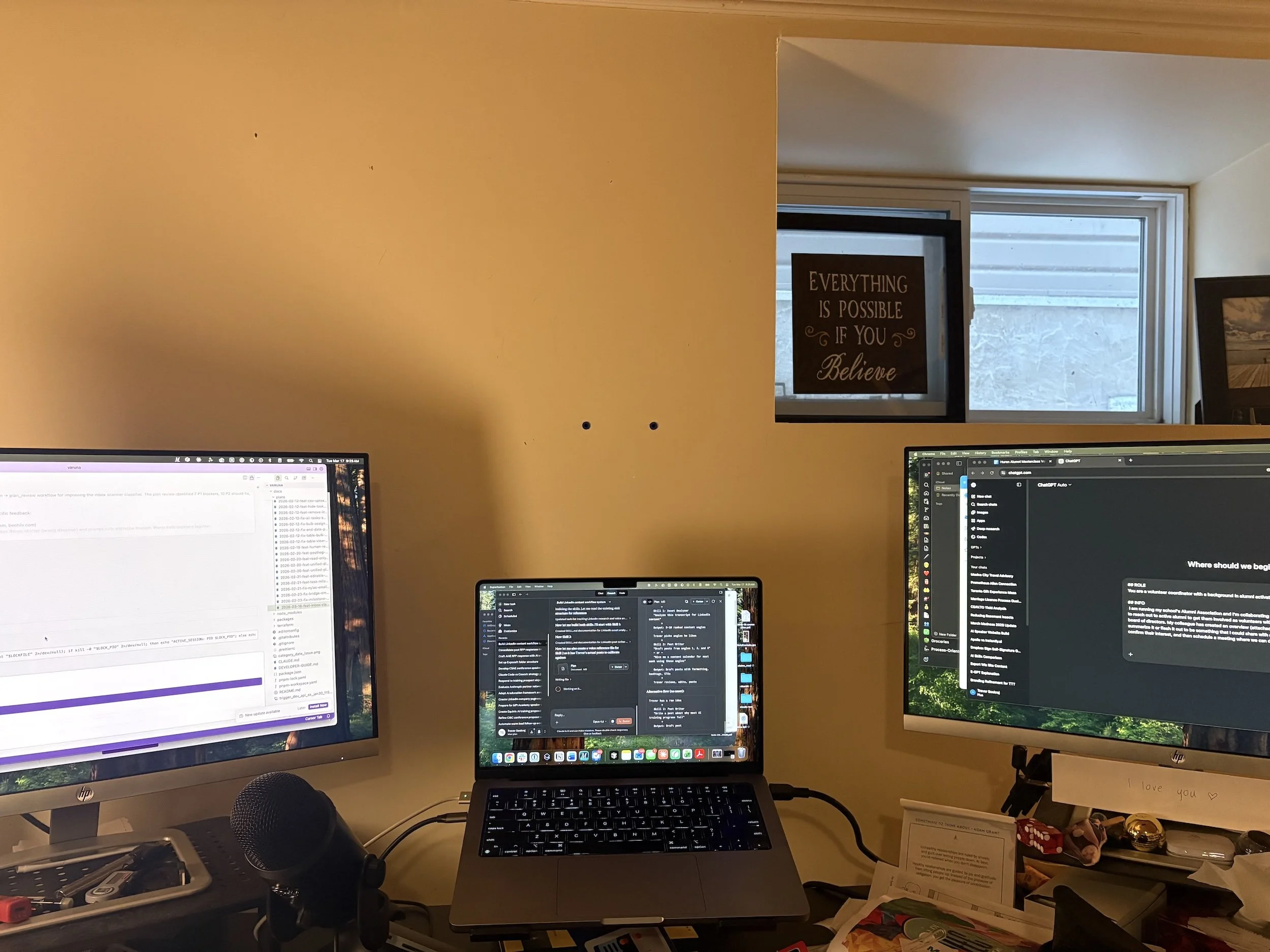
Family portrait: me, my Macbook, Claude, ChatGPT, and Cursor.
It’s Thursday at 7pm. I’m staring at my laptop and looking at a long todo list. My wedding is in a couple of days and I promised Brook that I would take some time off.
My head feels fuzzy and my throat feels weird. I’m ridiculously low energy; I feel exhausted in the morning (despite getting a good amount of sleep) and I’m wiped by 4pm. But it’s not the common cold - this feeling has come and gone over the past 6-8 weeks, getting worse over time.
It’s burnout, and it’s hitting differently in July 2026 than it did a couple of years ago.
What has changed?
Burnout is a symptom of having unrealistic goals paired with unsustainable habits. It’s something like the following:
“I’m working harder than ever and not seeing any results from it”
You jump from one task to the next and you constantly feel like there’s no time. When there’s no time to do things, there’s definitely no time to think or plan. So you find yourself in an endless cycle of ‘doing’ without clear goals, opportunities to re-evaluate, etc.
I’ve been here before. When I was running Divisional full-time, I was deep into it. We had scaled too fast and I was trying to juggle sales, hiring, operations, and a personal life, all at the same time. But the equation was straightforward: there were 5 things on my plate that took 5 hours each, and that wasn’t possible in a 24-hour day.
It took a lot of therapy, good habits, and a strong support system to decide what ‘enough’ looked like in a given day. Over time, I turned the company into a profitable and self-sustaining entity, allowing me to explore more freely (including concepts like WhileBeing).
‘AI makes you more efficient’
I’ve been using AI since 2023 and it increasingly became a bigger part of my workflows at companies like Divisional. Tasks that would have taken 20-30 mins before could be accomplished in 3-4 minutes. And that was in 2024-2025, before the models became super powerful.
The problem is that while AI makes you more efficient, it also makes you hungrier. The 5-item todo list can now take 5 hours instead of 25 hours, which means the list can expand to 20 items. The skill or capital gap that I’ve faced for years was disappearing in a matter of months.
A prime example is the legacy business I’ve been working with for the past couple of years. They’re an event management company and I joined to revitalize the business, develop a new AI product, and rebuild the team for their next chapter. Throughout 2025, I built the product with a team of engineers, slowly chipped away on growth/go-to-market (GTM), and established myself in the industry as an AI educator.
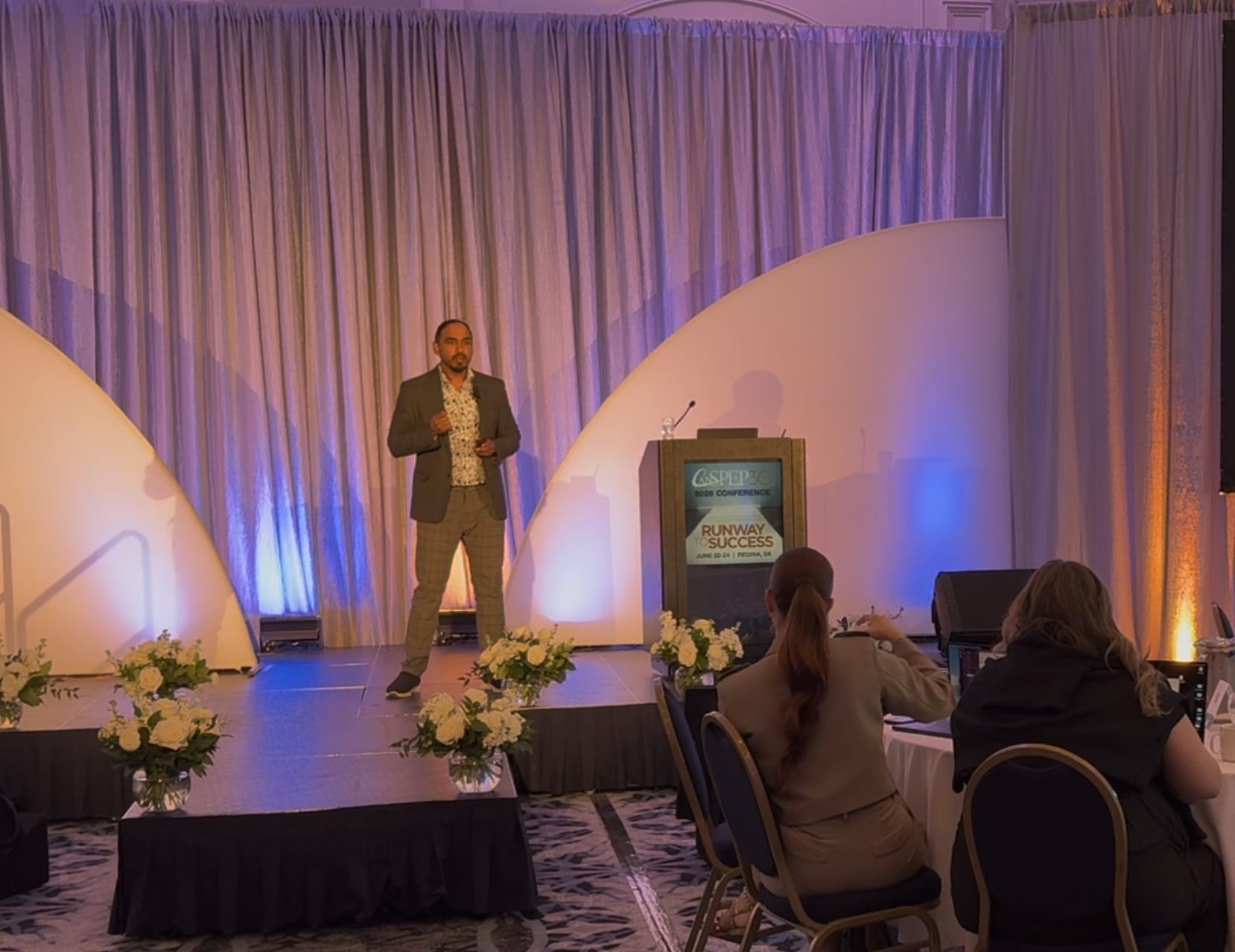
My session at CanSPEP’s 2026 Annual Conference in Regina, SK. I’ve presented on AI in 8+ cities since June 2025.
At the start of 2026, I no longer had an engineering team or a GTM budget. In the past, this would have been a full stop - replan, lessen expectations, and get to profitability ASAP. But with AI, it felt like the sky was the limit.
I seriously levelled up on Claude Code, an AI product that was (per its name) previously confined to engineers. I discovered the world of Github repos, open source skills that other people had created to do all types of tasks with AI, from design to document ingestion. Among these was Compound Engineering, a free plugin that allowed me to go end-to-end from feature idea to writing and reviewing code using AI.
This was not ‘vibe coding’. This was me using AI to understand how the product was written, what decisions had already been made, and how to map the future state. Over the past several months, I built and launched every feature on the roadmap, with my code reviewed and approved by a senior engineer before anything shipped.
I’m a Political Science graduate and spent my career in marketing/sales. Before AI, this would have taken me several months of heads-down work and practice to learn. With AI, it took me 4-6 weeks and a $100/mo subscription to Claude (Max). I’m not a ‘good’ engineer by any means, but I would argue I’m probably in the top 50% in terms of my ability to ship reliable features, quickly.
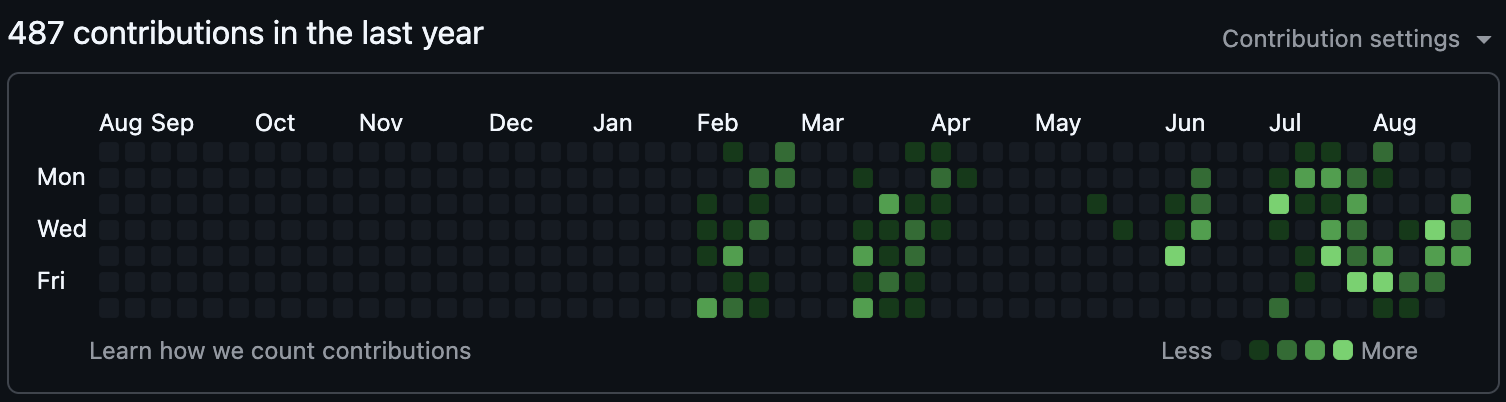
The amount of ‘commits’ I’ve made to the coding platform, Github, for 2026. This number was 1-2 in previous years. It’s now 487 and counting.
Discovering Fire
In previous posts, I’ve used Plato’s analogy of the cave to describe entrepreneurship. Once you’ve seen the light, it’s impossible to go back to a typical 9-5 and you feel responsible to show others what this is like.
With AI, what Plato’s analogy failed to capture is the possibility of experience. With AI, I’m looking at the world through an entirely different lens: I can now build software, create my own GTM motions, and start companies in a way that wasn’t possible even 6-8 months ago.
But what about the rest that life has to offer? I’ve becoming far more handy with AI - I can fix electrical wiring in my home, replace parts in my dishwasher, and make intelligent decisions about my vehicle.
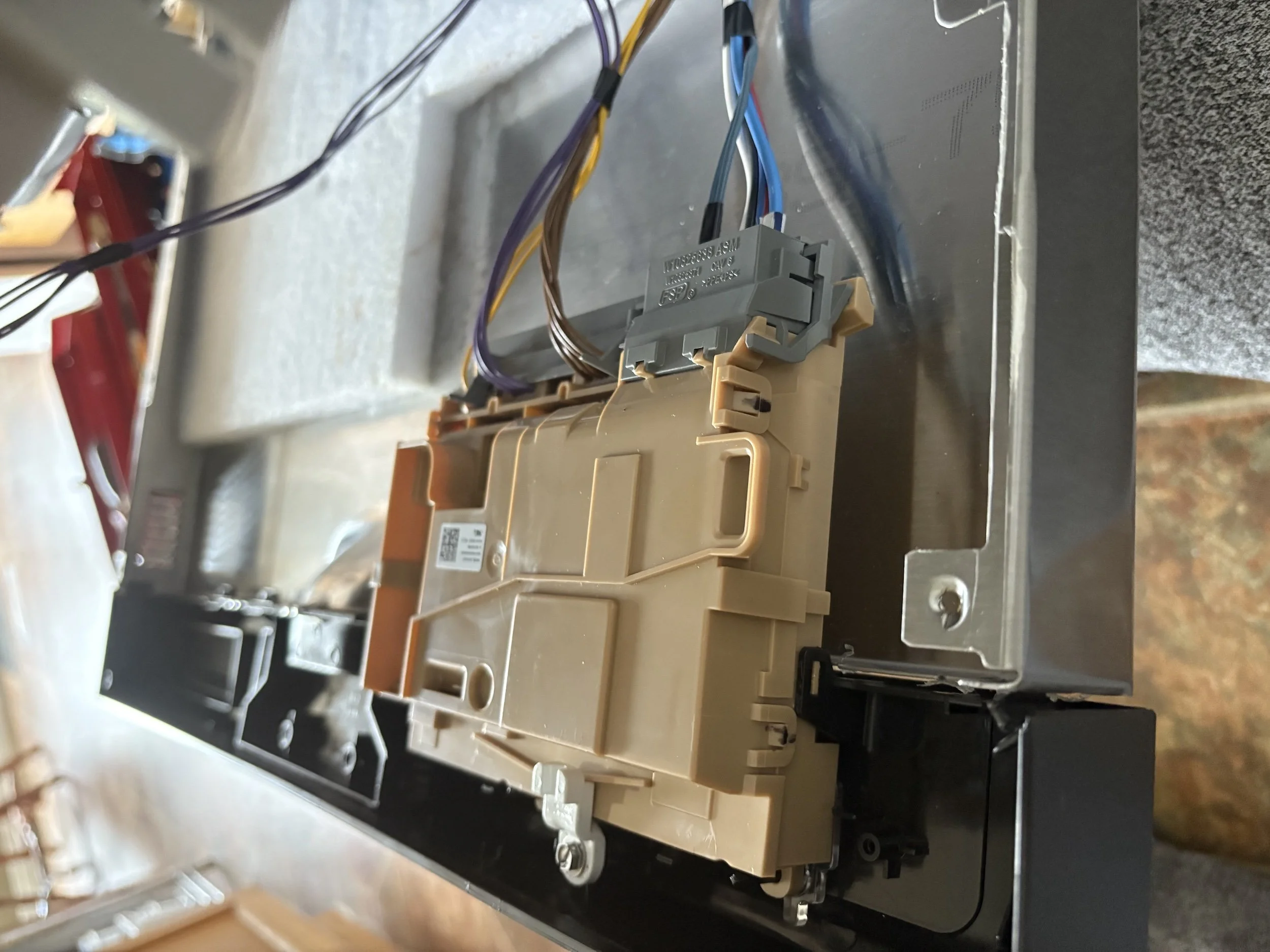
I diagnosed my dishwasher issue, took it apart, purchased the correct part, replaced it, and got it working perfectly with Claude.
I can do research on things I’m passionate about and write at a speed that I would have never had the time for. A simple idea, like homogenous reporting in the FIFA World Cup, led me to create The Sidelined Scout where I published an extensive article on players with criminal charges + convictions and the lack of discourse around them. I have a couple others geared up that I’m excited about, like male VS female pay and how race impacts journalistic coverage of up-and-coming football talent.
Previously, Plato’s analogy to me was a binary: there’s in the cave and out of the cave. You build a company or you work for someone else. But now, the analogy creates a bigger question: you had 5 possibilities inside the cave, but 2500 possibilities outside of it. And while in the cave, you could do only do one thing at a time, outside the cave you could do 20-25 at a time.
Opportunity cost
As a founder, my AI burnout is one of possibilities. It’s the gold rush and the question is not whether to mine for gold, it’s which area to mine first.
Do you build a company? Do you sell services? Do you try and make a difference? Do you try to do all at once?
Because the question is no longer “what is enough”, the question is “how do I expand what I can do, so that ‘enough’ goes further?”. This was not possible at any other point in my career. Today, the spectrum looks like this:
A ‘good’ use of AI can turn a 5-hour task into a 30-minute task
A ‘great’ use of AI can chain together systems to turn the same 5-hour task into a 5-minute task
And an ‘insane’ use of AI can allow you to do multiple 5-hour tasks in the same 5-minute block.
Where taking a sabbatical, career break, or ‘rest’ was easy in the past, it isn’t today. Because the world looks different in July 2026 than Jan 2026. And the rate of change means that what you can do in December 2026 will blow your mind.
That’s AI burnout. Where burnout alone was a one-to-one relationship between ‘work’ and ‘output’, AI burnout is a many-to-many relationship between ‘work’ and ‘output’. Combine all the different ways that you’re working with all the different outputs that you’re driving and your head will spin.
Choose your fighter
AI is like discovering fire. And while all my friends on LinkedIn and Twitter / X are raving about all the things you can do with fire, only 3% of US households pay for fire. Companies across the board are urging their employees to adopt AI, while confining the real gains and decisions to their IT or Engineering teams.
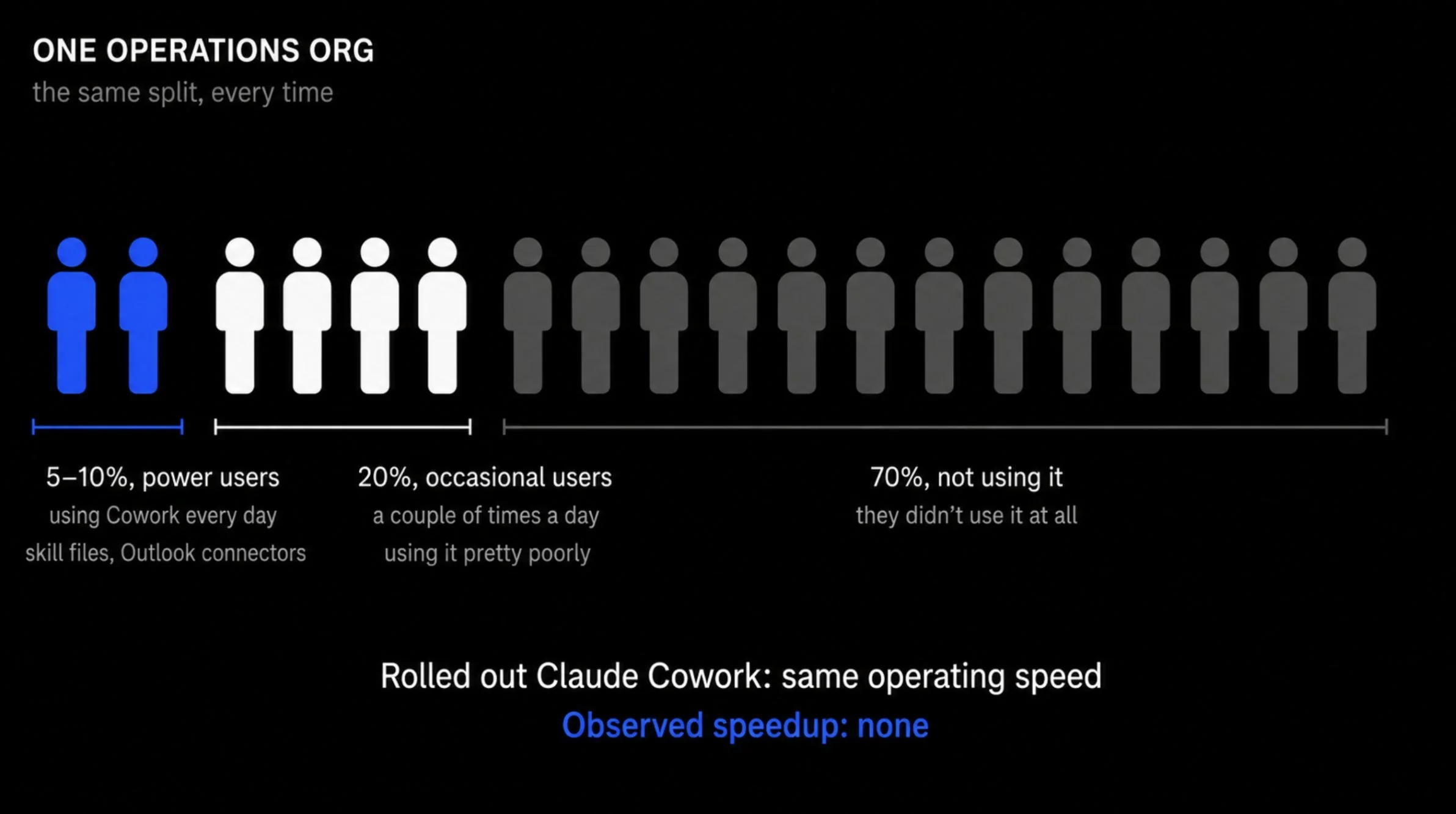
More companies are choosing to centralize “what gets done with AI” to their engineers, since their training programs are failing (source: Vas)
If you’ve been following me, you know that I’m a huge advocate for what AI can do for individuals and I even started a company - Trevor’s Tech Talk - to help people adopt AI in meaningful ways. But as I leave my current role in events and explore what’s next, the question of ‘impact’ starts to bubble up a lot more, and questions about what kind of legacy I want to leave.
In one corner, there are the techno-optimists. They believe that we should be pursuing efficiency for its own sake, and that AI advancements should not be limited. This group advocates for less regulation and free enterprise. I’ve lived most of my life as a capitalist, so I naturally identify with this group and see AI for what it is: an opportunity to make a lot of money, faster and easier than before.
I can build software in a week. I can do processes like bookkeeping without footing a $5-6k/year bill. And deep down, I believe that if I do this better and faster than others in the industry, I can create a business that gives me and my family a very comfortable lifestyle.
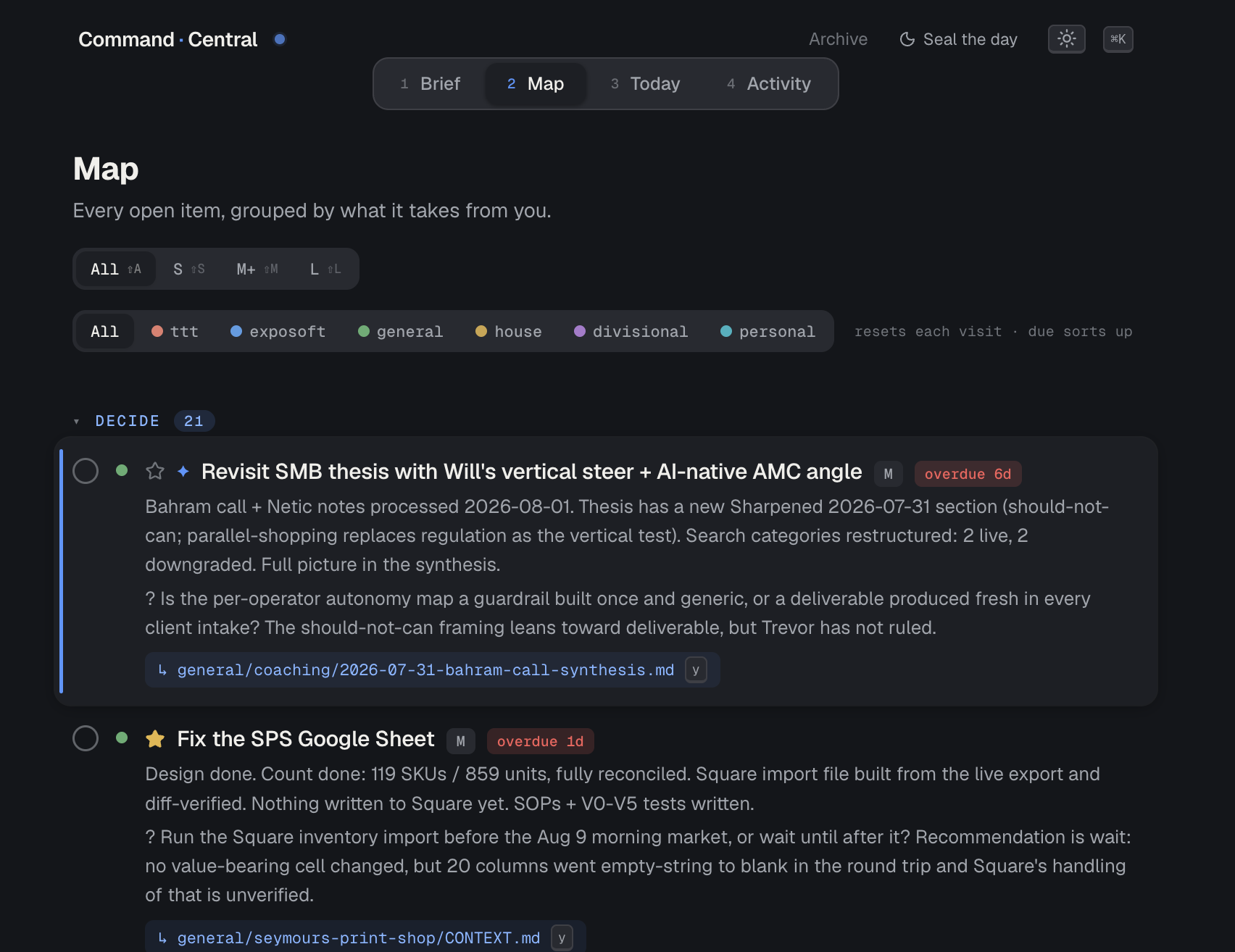
I built my own custom todo software that is AI-native and can be restarted in Claude. Still a WIP but pretty neat.
In parallel, there are AI tech companies that are popping up and scaling at ridiculous rates. Some of these companies are 1-2 years old and already worth several billion dollars. Friends who joined these companies 6-12 months ago are worth millions on paper. But perhaps more alluring than the paper millionaire is being on the cutting edge of this technology. As someone that trains corporate teams on AI, implementing this type of technology at a large scale and seeing the efficiencies it drives is very attractive.
But there’s another side to this coin. While AI founders and workers are scaling to the moon, life looks the same for a lot of people. My wife has a physical disability and I see this firsthand: how care work is underfunded, how treatment is arbitrarily withheld by government and insurance companies, and how no amount of AI adds a ramp when you’re faced with a set of stairs.
If you want a prime example, read The Velocity Whitepapers. I have been SO impressed at what the Government of Alberta has done with AI and they’re setting the standard for governments across the world. This was a multi-year effort by a very talented team. But on July 2, just a couple of days before publishing The Whitepapers, they moved most of their disability caseload onto a new program that is $200/mo lower. Roughly 80,000 people sit on that caseload and the benefit already puts recipients at 80% of the poverty line before the cuts. Is this an example of AI helping the people who need it the most?
I’m grateful to have been exposed to this reality and to have seen the impact that various non-profits are making. I’m actually presenting on how non-profits can use AI at the Association of Fundraising Professional’s GTC conference in Sept 2026. For groups that are chronically underfunded, AI helps you access technology for a fraction of the cost and apply to grants in 5 hours instead of 50. While so many ‘AI for good’ organizations are obsessed with ethical AI and data privacy (which are valid concerns), there are swaths of people with disabilities, socioeconomic challenges, and other obstacles that still have to live.
And what about the rest of us?
A believer in the free market will say that innovation eliminates jobs and creates more of them. The invention of the computer and the Internet made the role of ‘typist’ obsolete but created a whole new class of employment. I do have faith that this will be something that happens as a result of AI as well.
But the internet took a while to be adopted. If it started to spread in 1991, you could argue that broader usage wasn’t a thing until 2003-2005. At minimum, that’s 12 years. In contrast, ChatGPT was released in late 2022. Since then, it’s gone from a fun tool to rewrite emails to a product that can scrape web pages, make purchases, and even hack into a gym’s website to register you for a full class.
All of the discourse around AI adoption is on technology and almost none of it on change management. Rightfully so, corporate executives ask “how can AI make us more profitable” not “how can AI make our employees more efficient”. That means that the ‘adapt or die’ cycle that took the internet. ~ 12+ years is happening in less than a third of the time, and at a much faster rate.
Don’t get me wrong; I was thrilled when I could play Runescape on my home computer instead of going to the library because dial-up internet was no longer the standard. But there’s a big difference between that and companies meaningfully shrinking their workforces because jobs can be done with AI.
I’m not a doomsday-er and I love AI. But as much as the possibilities excite me, the race for power and efficiency has the potential to massively displace humans in a way that no politician seems even remotely aware of.
So what’s next for me?
Brook has been pushing me to take some proper time off and reset before I decide on my next chapter. And maybe it’s a blessing when I hit my weekly usage limits on Claude’s most advanced (20x) plan…
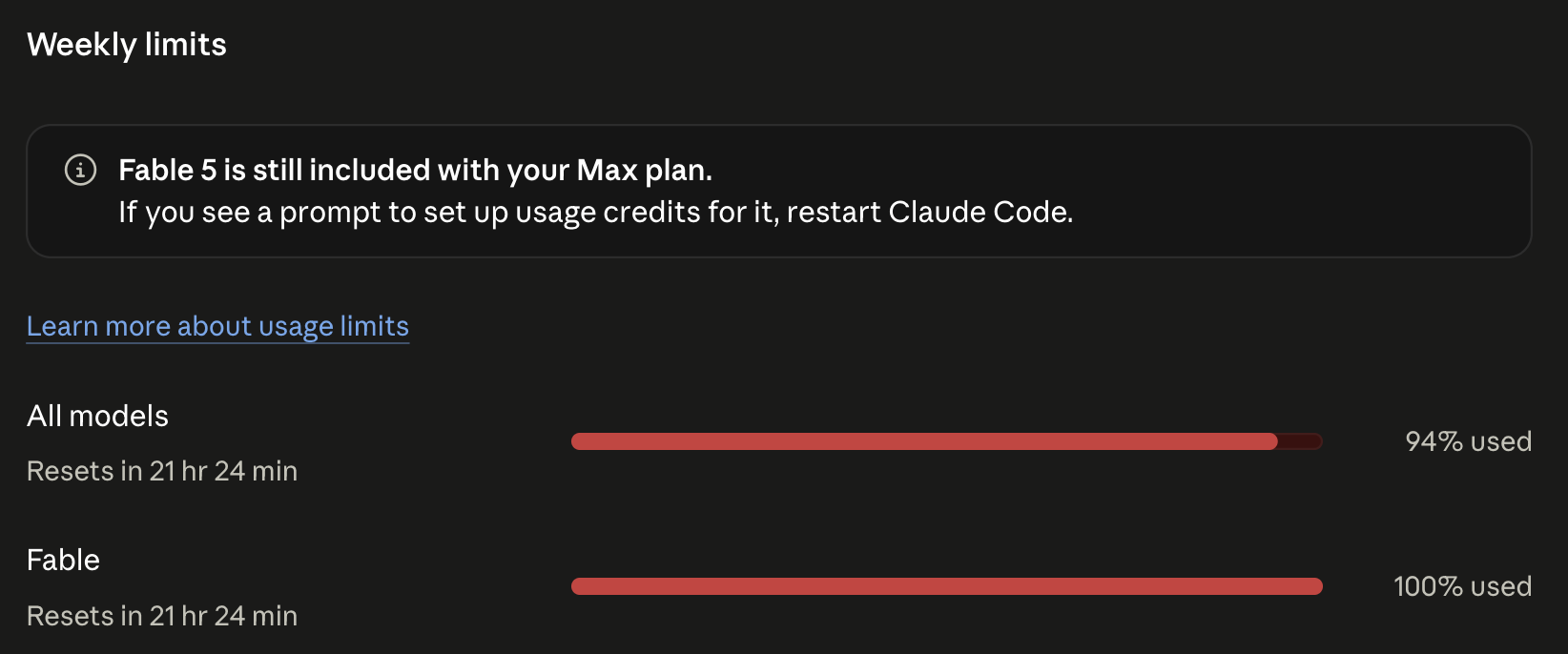
The countdown begins.
I have some house projects I want to move and have been making a bigger effort to restart my gym/cardio habit that has fallen off. I love cooking and exploring new recipes. And I’m in privileged position where I don’t need to find a job right away - whether that’s at a company or building one.
And a big part of me wants to lean into that. To reset, like I did with writing WhileBeing, spend time thinking, and getting a proper POV on what I want to do next. An equally large part of me - the hungry part - wants to dive back in and execute, seize the opportunity, and join the masses of those creating with AI. It doesn’t help that most of my friends are in this position and working 12-14 hour days + weekends (9-9-6).
But I’ve always been a bit of a contrarian and I hope that this time that shines through. And needless to say, if I think the end of the world is coming, I’ll try to write a blog post faster than every 1-2 years.